Watsu Aquatic Bodywork: Deep Relaxation Through Water Therapy
Water is powerful. We’re born into it, rely on it to stay hydrated, and naturally turn to it for relaxation and healing. While we live on land and depend on gravity to move and function, being in water offers a completely different experience—one that supports the body through buoyancy and in restorative ways.
Water therapy has been used for centuries to improve physical and mental wellbeing. Many are familar with hydrotherapy where effort is needed to rehabilitate after surgery. Many turn to Thalasotherapy and the power of saltwater. Baleotherapy is a tradition in many cultures with the immersion into thermal mineral water. Day to day, we love a summer dip or a hot bath after a long week. The aquatic world offers a simple yet effective way to reset the mind and body. One of the most unique ways is Watsu aquatic bodywork.
What is Watsu?
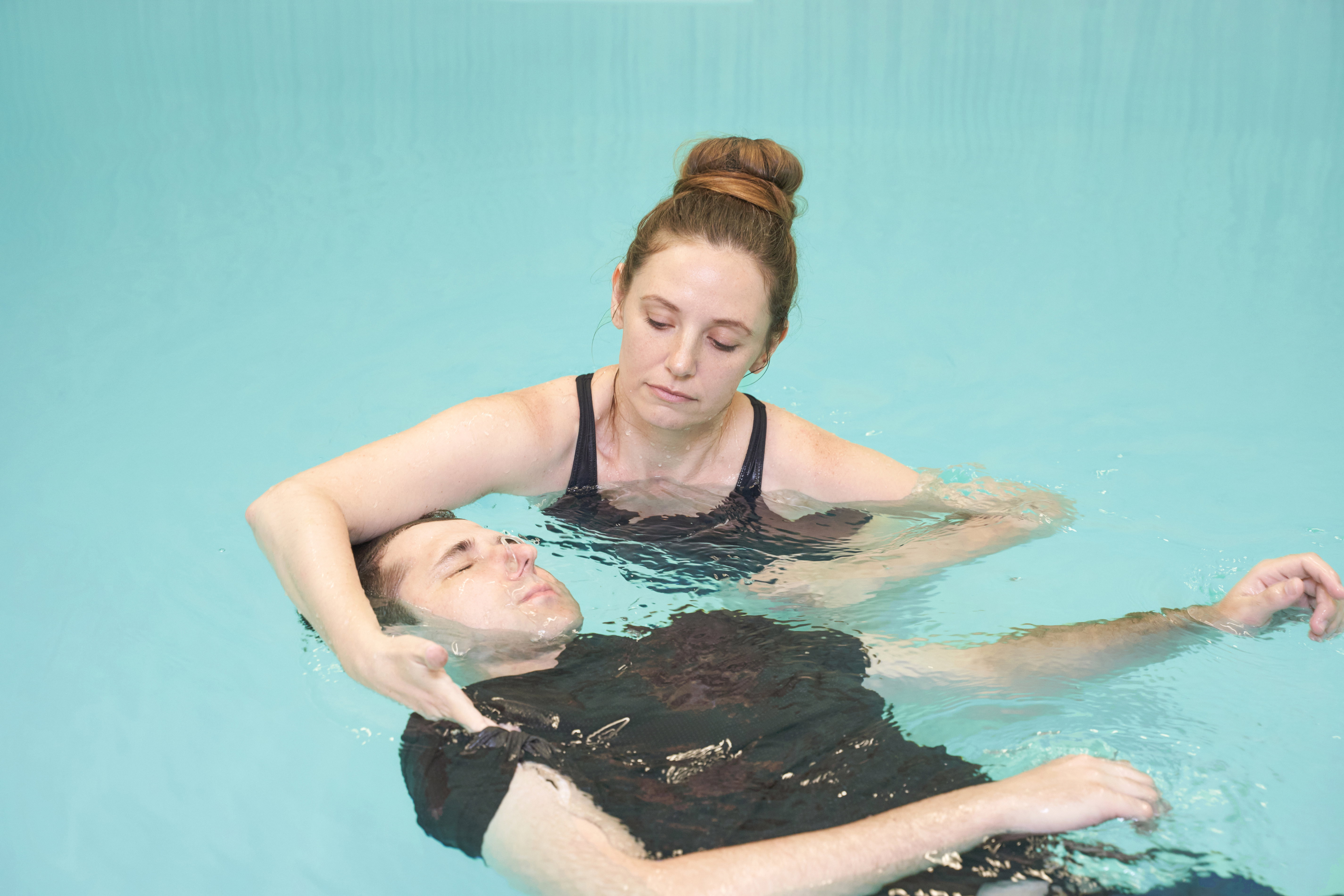
Watsu is a form of passive aquatic bodywork developed in the 1980s. Performed in a warm water at 35degrees, a certified Watsu therapist gently moves your body through flowing stretches, rotations, and holds. Watsu is fully supported and requires you to simply let go. Inspired by massage therapy, meridian work, and dance, Watsu is a unique way to access the mind and body, inviting the body to release tension and the mind to slow down.
Benefits of Watsu
Watsu offers a wide range of physical and mental health benefits, making it an effective therapy for stress relief and body recovery.
Key benefits of Watsu include:
- Deep relaxation and stress reduction
- Relief from muscle tension and pain
- Improved joint mobility and flexibility
- Improved blood circulation
- Nervous system regulation
- Enhanced sleep quality
The combination of warm water and therapeutic touch helps calm the body’s stress response, allowing for a deeper state of healing and restoration.
How Water Therapy Supports the Body
One of the main reasons aquatic therapies like Watsu are so effective is due to hydrostatic pressure—the gentle pressure water places on the body when submerged.
This natural effect can:
- Improve circulation and blood flow
- Reduce swelling and inflammation
- Support cardiovascular health
As we experience the effects of gravity and living on land, hydrotstatic pressure offers us relief and a different experience in our bodies. When submerged in warm water, the joints release, muscles relax and circulation improves.
What to Expect During a Watsu Session
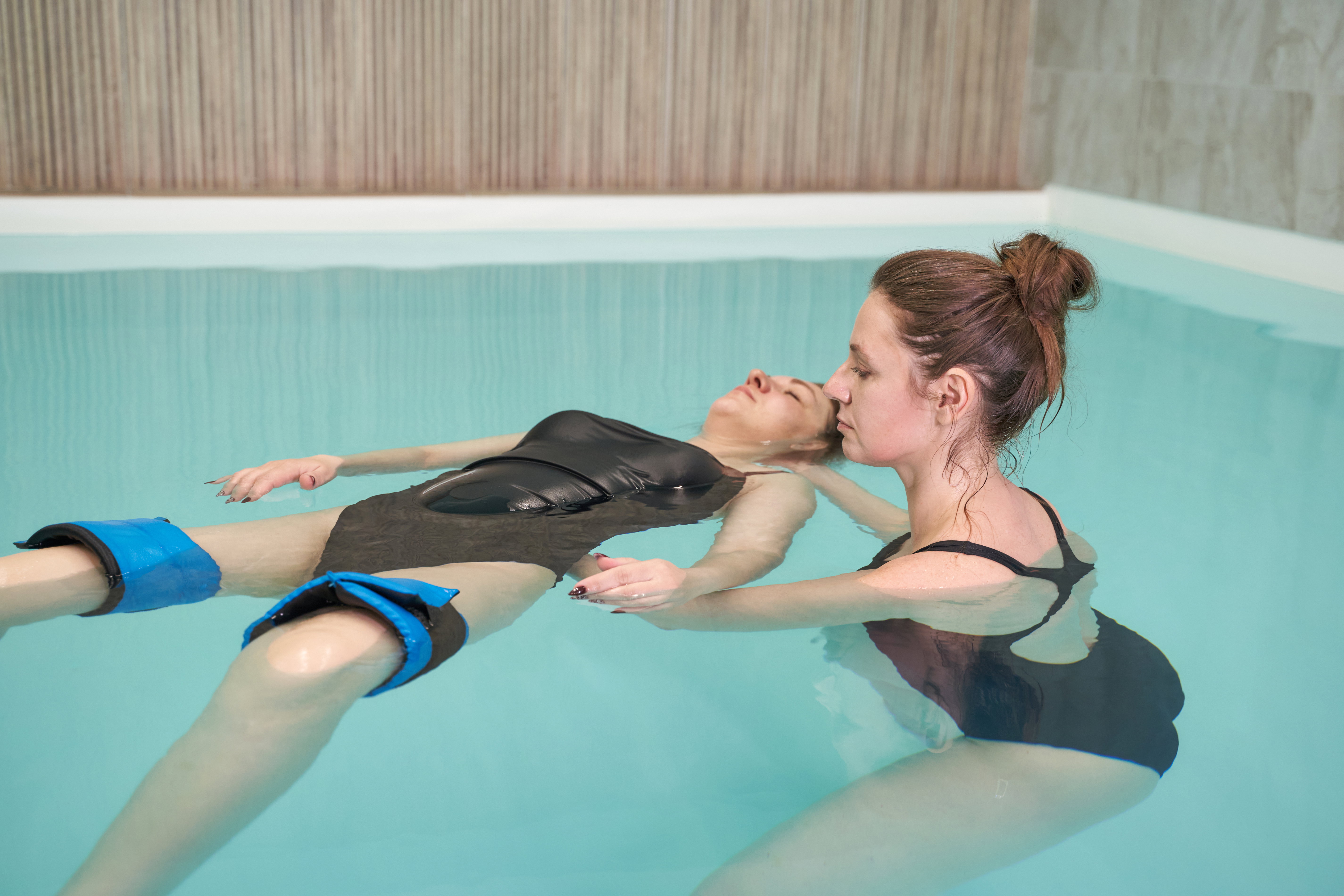
Wearing comfortable swimwear, Watsu is performed in chest height warm water. Your head and neck are supported at all times as the ears are submerged. Floats are used around your legs to keep your body buoyant. Watsu involves moments of movement and stillness. Many people experience a meditative, almost dream-like state.
Is Watsu Suitable for Everyone?
Watsu is suitable for most people, and you don’t need to know how to swim. It is especially beneficial for those experiencing stress, anxiety, tight muscles, restricted movement, sleep issues and shallow breathing.
However, you should avoid Watsu if you have:
- Acute neck (cervical disc) injuries
- Fever or respiratory infections
- Open wounds or sunburn
- 1st trimester pregnancy
Experience Deep Relaxation with Watsu Water Therapy
If you’re looking for a gentle, supportive way to relax your body and calm your mind, Watsu aquatic bodywork offers a unique and deeply restorative experience that compliments land based therapy. Paula Choi is a certified practitioner with over twenty years of experience supporting mind-heart-body wellness.